How Distributor Sell-In Kits Win Placement at the Shelf
A strategic distributor sell-in kit for wine brands does more than inform. It arms your rep with the tools to close shelf placement in a 90-second conversation.
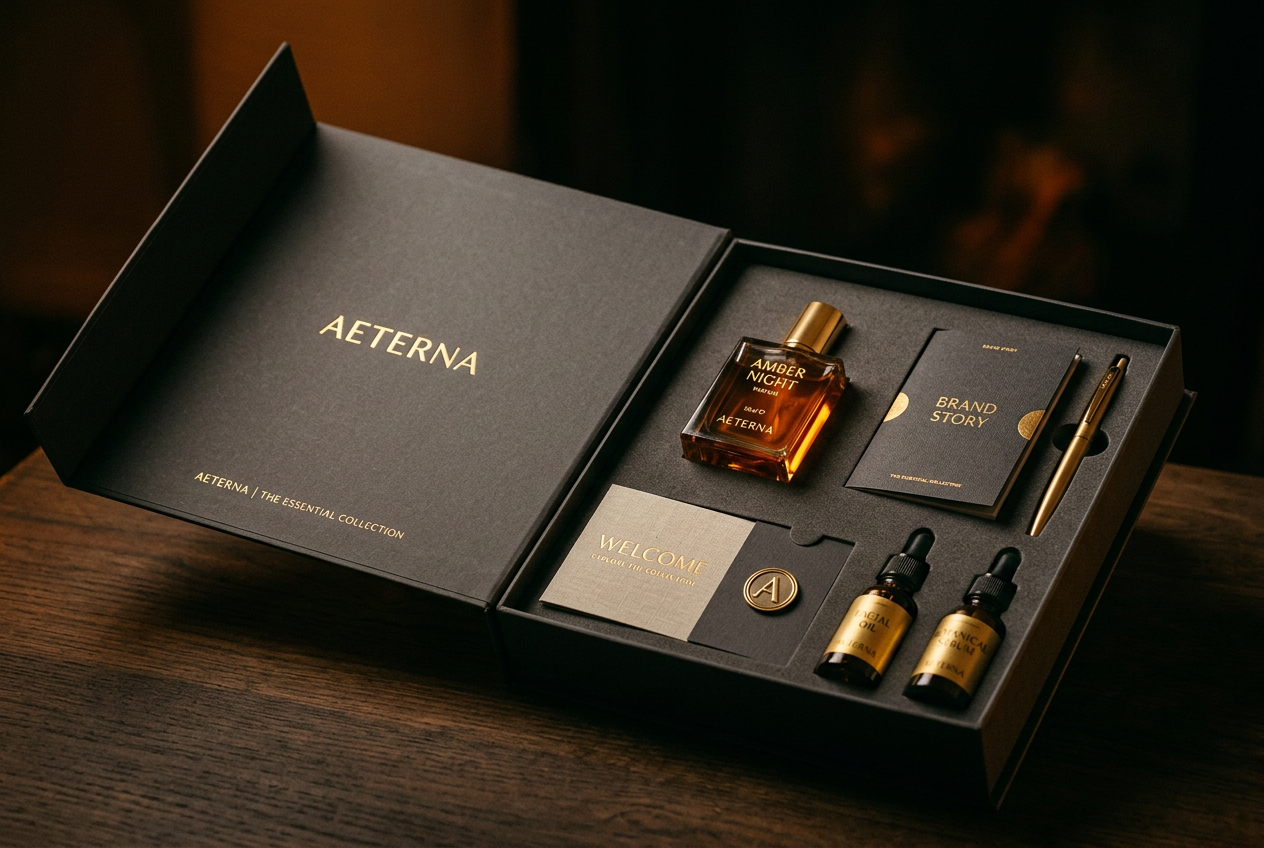
Your wine just landed a distributor agreement. The portfolio presentation went well, the buyer seemed genuinely interested, and now you’re waiting for placements to roll in. Three months later, you’re checking depletions and wondering why a wine that tasted great in the conference room isn’t moving off trucks and onto shelves.
The gap between distributor enthusiasm and retail execution is where most emerging and mid-tier wine brands lose momentum. And that gap is almost always a sell-in kit problem.
The 90-Second Reality of Distributor Selling
Here’s what your brand is up against: the average distributor rep carries between 400 and 800 SKUs. They’re walking into a Total Wine or an independent shop with maybe fifteen minutes of the buyer’s attention, and they’re prioritizing whichever brands make their job easiest. Your Willamette Valley Pinot might be exceptional, but if the rep has to fumble through a generic PDF and half-remembered tasting notes, they’re pivoting to the brand that handed them a laminated shelf talker with the margin calculation already done.
A strategic distributor sell-in kit solves this by compressing everything a rep needs into a format they can deploy without preparation. The best kits assume the rep has never tasted your wine, doesn’t remember your brand story, and has exactly 90 seconds to make a case before the buyer moves on.
What Actually Goes Into a Kit That Converts
Forget the instinct to lead with awards or winemaker philosophy. Retail buyers are running a math problem, and your kit needs to solve it for them.
The hierarchy of information that drives placement decisions starts with margin and velocity potential—what’s the suggested retail, what’s the wholesale case cost, and what comparable SKUs are already performing in this channel. A sell-in kit that shows your $18.99 SRP Malbec fitting into the $15-20 Argentina set with a 32% margin tells a buyer something useful. A kit that leads with “fourth-generation family winery” tells them nothing they can act on.
After margin comes differentiation. Not why your wine is good—why it’s different from what’s already on the shelf. This means knowing the competitive set in each channel. An independent retailer in a college town cares about different differentiators than a Costco regional buyer. The most effective sell-in kits we’ve built include channel-specific versions, or at minimum, a modular format where reps can emphasize the relevant selling points.
Finally, there’s programming support. Buyers want to know you’re going to help them move the product after they take the risk of cutting something else to make room for you. Case cards, shelf talkers, neckers, recipe booklets—these aren’t nice-to-haves. They’re proof that you’ve thought past the initial placement to the velocity problem that determines whether you stay on the shelf.
Physical Format Matters More Than You Think
Digital assets are essential for pre-meeting prep and follow-up, but the in-the-moment sell happens with physical materials. A rep can’t hand a buyer a PDF. They can hand them a laminated sell sheet that lives in the buyer’s folder for the next reset.
The best distributor sell-in kits we’ve seen include a leave-behind that travels. Rigid stock, wipe-clean finish, hole-punched for the buyer’s binder. These details sound minor until you realize that the physical object’s survival in a chaotic back office determines whether your brand gets considered during the next category review.
Some brands include sample-sized POS materials in the kit—a single shelf talker, one case card—so the buyer can immediately visualize what support looks like at retail. It’s a small investment that accelerates decisions.
Building for the Rep, Not the Portfolio Review
The mistake most brand teams make is designing sell-in kits for the annual distributor meeting rather than for Tuesday morning at a strip mall wine shop. The priorities are different. At the portfolio presentation, you’re selling vision. In the field, your rep is selling inventory turns and margin dollars.
Build your kit for the field scenario. Make the math obvious, the differentiation immediate, and the support materials tangible. When you do that, you transform your distributor relationship from hopeful to functional—and your placements from theoretical to real.