The Case for Premium Branded Merch at Key Account Meetings
Premium branded merchandise transforms key account meetings from forgettable pitches into strategic moments that drive real placement decisions.
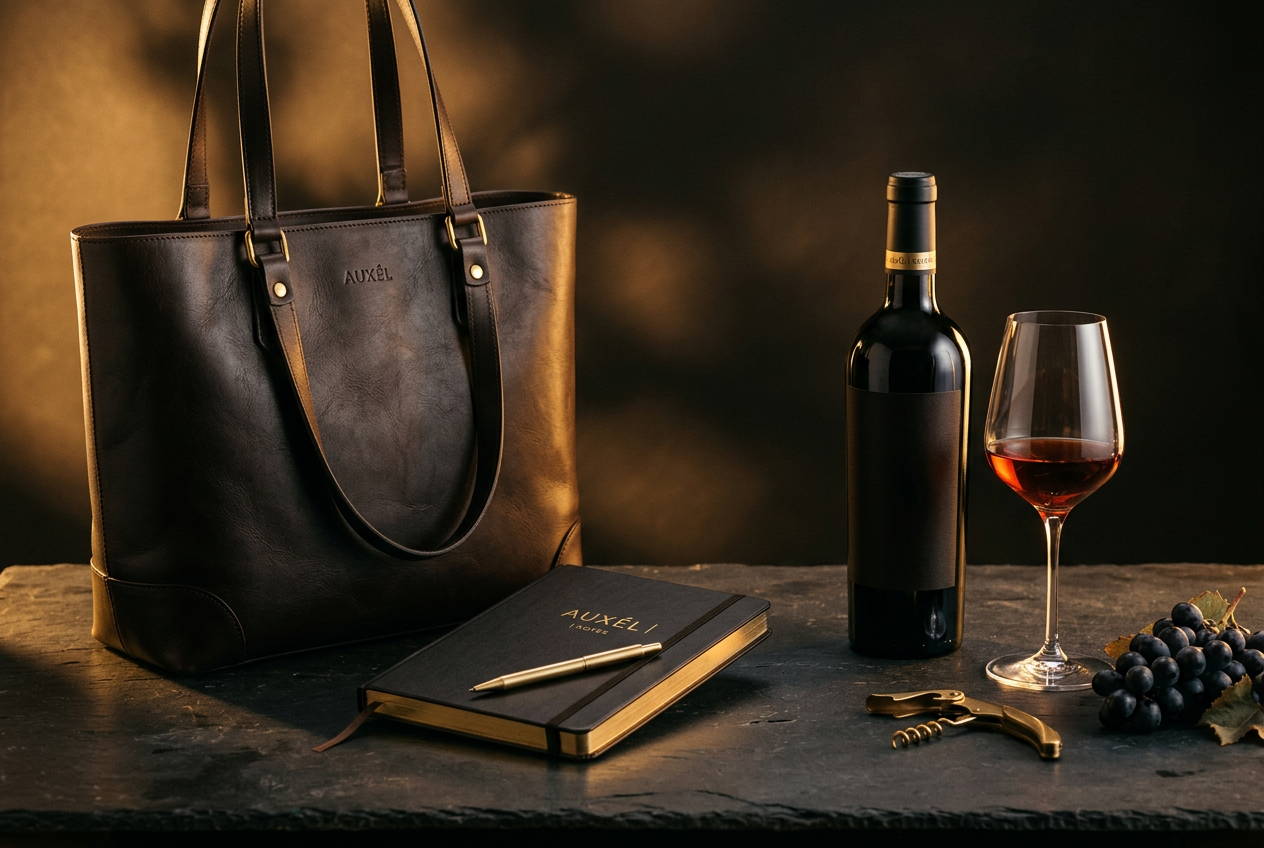
The buyer across the table has seen four wine presentations this week. Maybe six. Each one came with a sell sheet, a sample pour, and some version of the same velocity data everyone quotes. By Friday, the details blur together. Your Willamette Valley Pinot becomes indistinguishable from the three others vying for the same shelf slot. This isn’t a reflection of your wine’s quality. It’s the reality of how beverage buyers process information under volume. The brands that earn placement aren’t always objectively better. They’re the ones that managed to be memorable at the right moment.
Beyond the Leave-Behind: Merchandise as Meeting Strategy
Most branded merchandise in wine and spirits trade marketing operates as an afterthought. Order some logo pens. Throw in a corkscrew. Leave it behind and hope for the best. This approach treats merch as a formality rather than what it can actually be: a strategic tool that shapes how a buyer perceives your brand’s positioning, quality tier, and partnership potential.
Consider what happens when a national accounts manager walks into a Total Wine regional buyer meeting with a custom-designed sommelier knife that reflects the brand’s origin story, say, a handle material that references the terroir or a subtle design element that ties to the winery’s architecture. That object communicates something a sell sheet cannot. It says: we pay attention to details. We understand premiumization. We invest in relationships, not just transactions. The buyer may not articulate this consciously, but the perception registers. And perceptions drive placement decisions, especially in crowded categories where the liquid itself isn’t the primary differentiator.
The Psychology of Reciprocity in Buyer Relationships
There’s well-documented behavioral economics at play here. The principle of reciprocity suggests that when someone receives something of genuine value, they feel a subtle but real obligation to return the consideration. A twenty-dollar promotional item that looks like it cost twenty dollars does nothing. A forty-dollar piece that looks like it cost a hundred changes the dynamic entirely.
This isn’t about buying placement. That would be both unethical and ineffective. It’s about signaling investment in the relationship. When a spirits brand presents a buyer with a beautifully crafted bar tool kit at the start of a meeting, they’re not bribing anyone. They’re demonstrating that they take the partnership seriously enough to put thought and budget behind every touchpoint. For independent retailers especially, who often feel overlooked in favor of chain accounts, this kind of attention builds loyalty that outlasts any single sales cycle.
The brands executing this well understand context matters. A meeting about on-premise placement calls for different merch than a distributor ride-along or a chain buyer presentation. A craft cocktail-focused rum brand might bring custom jiggers to a mixologist-heavy account meeting. A Champagne house presenting to a fine wine buyer might lead with an elegantly designed wine key that doubles as a conversation piece about the maison’s heritage.
Practical Execution: Quality Thresholds and Quantity Discipline
The economics of premium trade merchandise require discipline. The instinct is often to order more units at a lower price point, spreading the budget thin. This almost always backfires. Fifty forgettable items create zero impact. Ten exceptional ones, placed strategically with decision-makers who control real volume, generate measurable return.
For most wine and spirits brands, the sweet spot for key account meeting merchandise falls between thirty and seventy-five dollars per unit at cost, depending on the brand’s positioning and the account’s value. A luxury Napa Cabernet shouldn’t show up with the same merch tier as a value-play import. The merchandise needs to match the brand’s price architecture, or it creates cognitive dissonance that undercuts the entire presentation.
Production lead times matter more than most marketing teams realize. Premium merchandise with custom design elements, etched glassware, leather goods with embossed logos, custom-dyed textiles, requires eight to twelve weeks minimum. The brands that treat merch as an afterthought end up rush-ordering generic items that accomplish nothing. The ones that build merchandise into their annual trade marketing calendar can execute with the kind of intentionality that buyers actually notice.
What the Best Brands Get Right
The wine and spirits brands that win disproportionate share in key account meetings share a common understanding: every touchpoint either reinforces or undermines their positioning. The best trade merchandise doesn’t just carry a logo. It tells a story, reflects craftsmanship, and gives the buyer a reason to remember the meeting two weeks later when they’re finalizing the planogram. In a category where relationships still drive business, the brands that invest thoughtfully in these details earn placement that pure velocity data never could.