How to Build a Retail Activation That Drives Sell-Through
Strategic retail activation for wine and spirits brands goes beyond demos to drive measurable sell-through and lasting trade relationships.
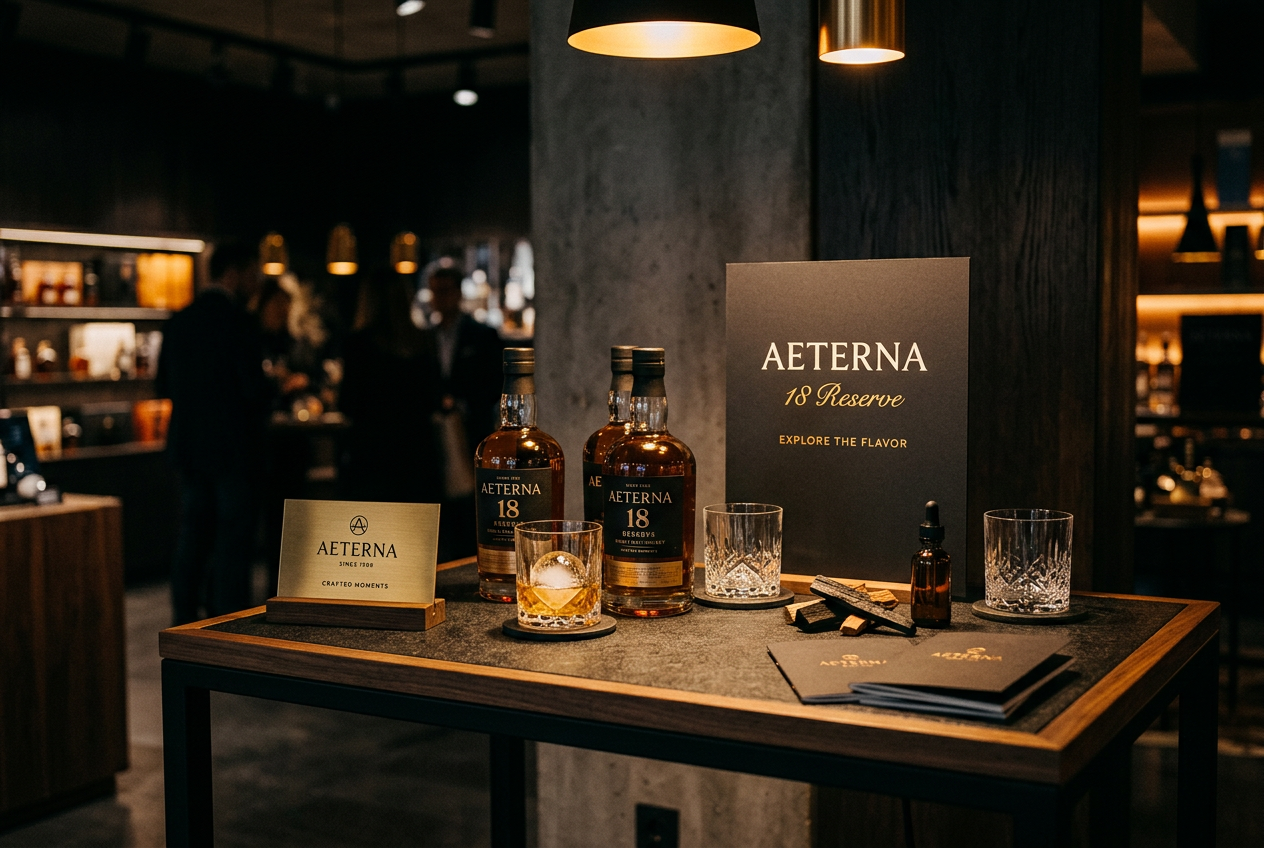
A well-executed tasting demo can move twelve cases in a Saturday afternoon. A poorly conceived one burns through your activation budget while shoppers walk past with their eyes fixed on their shopping lists. The difference rarely comes down to the quality of what’s in the bottle — it comes down to whether the activation was designed as a sell-through mechanism or just a presence play.
Start With the Retailer’s Reality, Not Your Brand Story
The most common mistake brands make when planning retail activations is building outward from their own priorities. You have a new expression launching, or you’re trying to hit a depletion target, or your distributor is pushing for “visibility.” None of that matters to a Total Wine regional manager or an independent shop owner until you connect it to what they actually care about: basket size, category velocity, and keeping their customers coming back.
Before you pitch an activation, understand the retailer’s context. What’s their margin on your category versus adjacent ones? Are they trying to grow spirits overall or steal share from a competitor they’re frustrated with? Is their weekend traffic primarily planned-trip shoppers or browsers? A Costco activation looks completely different from one at a neighborhood wine shop, not just in scale but in fundamental mechanics.
When you design your activation around retailer goals first, you get better positioning, more staff buy-in, and often expanded scope. When you show up asking for floor space to “support the brand,” you’re one of fifteen similar requests that month.
Design for the Decision Point, Not the Interaction
Activations fail when they generate engagement without creating purchase momentum. You’ve seen it: a charming brand ambassador has a lovely conversation with a shopper who takes a sample, nods appreciatively, and then walks to the checkout with the bottle they came in for.
The activation needs to be designed backward from the purchase decision. What’s the physical proximity to the product? If someone has to walk thirty feet from your demo table to find your bottle on the shelf, you’ve introduced enough friction to lose half your engaged shoppers. Negotiate for shelf adjacency, stack placement, or at minimum clear sightline and signage creating a visual pathway.
Consider what happens in the fifteen seconds after the taste. Does your ambassador have a compelling reason to buy today versus “next time”? Limited-time pricing works, but so do less obvious tactics: a food pairing card they can take home, a recipe that requires the bottle, a clear occasion anchor (“this is your new house pour for summer weekends”). The conversion mechanism should feel like value, not pressure.
Think about the secondary purchase too. If you’re activating a $45 bourbon, can you also move a $28 SKU for the shopper who loves it but balks at the price? Having your portfolio logic baked into the ambassador’s talk track captures revenue you’d otherwise lose entirely.
Treat Your Demo Staff as Trade Marketing, Not Promo
The ambassador is the activation. A brand-fluent, retail-aware demo specialist will outsell a generic promotional staffer by three to one, yet many brands still treat this role as interchangeable event labor.
Your demo staff should understand the competitive set they’re standing next to — not just your tasting notes but why a shopper might be considering the Woodford or the Maker’s and what your positioning is relative to those options. They should be able to have a credible conversation with the store’s spirits buyer who walks by, because that relationship-building moment is worth as much as the cases moved that day.
Invest in briefing materials that go beyond product specs. Give your team the retailer context, the customer profile for that location, the specific goals for this activation, and the fallback SKU if someone wants something different than the hero pour. The best activations feel like expertise arriving in the store, not a branded interruption.
Measure What Actually Matters
Case counts from the activation day tell you something, but not enough. The real measure is what happens to your velocity at that account over the following four to six weeks. Did you create a new buying habit or just accelerate a purchase that would have happened anyway?
Work with your distributor to pull depletion data at the account level before and after activations. Track which locations convert to sustained lifts versus one-time spikes. Over time, you’ll build a heat map of where activations generate ROI and where they’re essentially sampling expenses with a bow on them.
The brands that win at retail activation treat it as a trade marketing discipline with compounding returns, not a calendar of isolated events. When you approach it that way — designing for the retailer, engineering the purchase moment, investing in expertise at the point of interaction, and measuring true sell-through impact — activation becomes one of the highest-leverage tools in your commercial toolkit.