Shopper Marketing for Wine Brands: A Practical Guide
How wine brands win at shelf with shopper marketing strategies that drive conversion in retail environments.
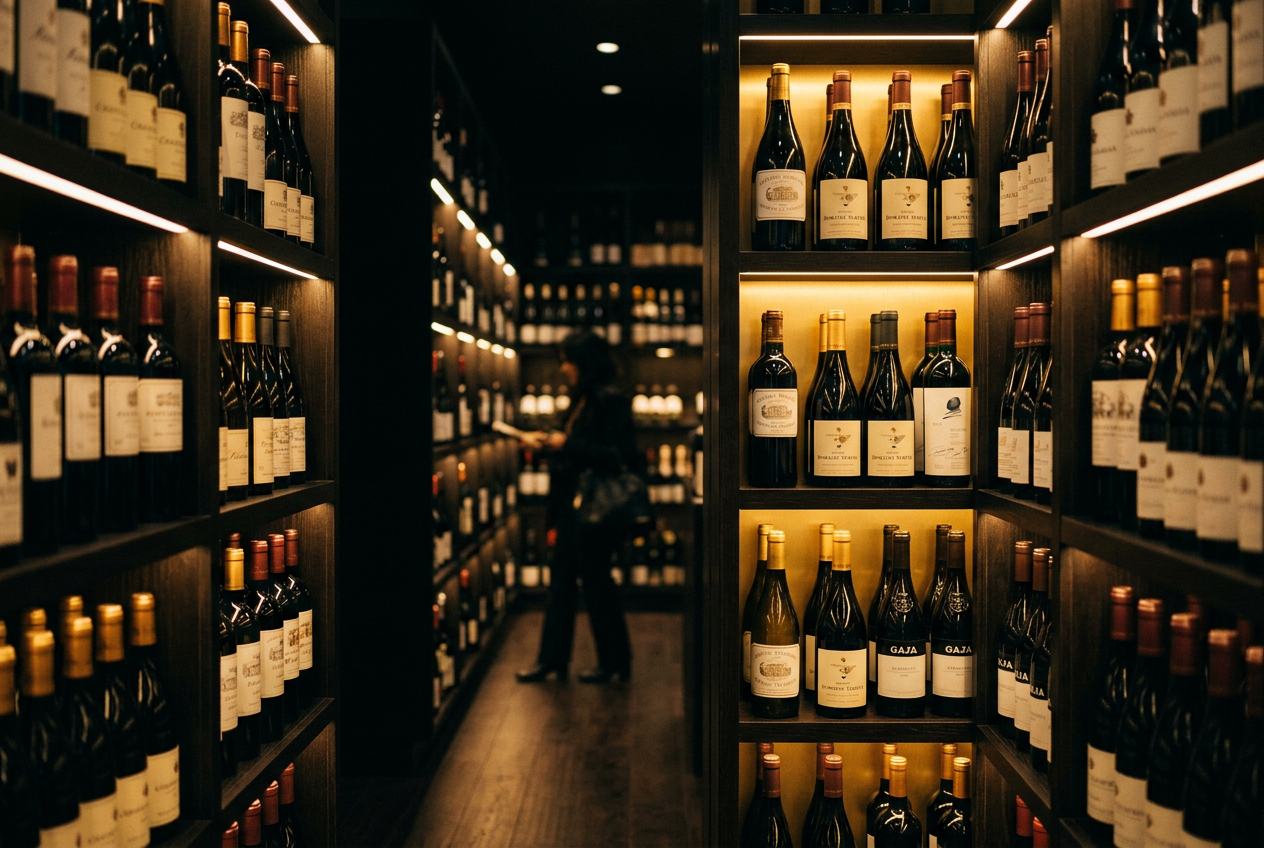
A consumer walks into Total Wine with a vague notion of buying a Pinot Noir for dinner. Forty-five seconds later, they’re standing in front of 200 options, overwhelmed, reaching for whatever bottle catches their eye or looks familiar. That moment—when consideration turns into purchase—is where shopper marketing either works or doesn’t. And for most wine brands, it’s exactly where their investment falls short.
The Difference Between Brand Marketing and Shopper Marketing
Brand marketing builds desire. Shopper marketing captures it. The distinction matters because wine brands consistently over-invest in the former while under-resourcing the latter. Your Instagram content, your winemaker story, your ratings shelf talkers—all of that creates predisposition. But predisposition evaporates quickly when a shopper is staring at a wall of bottles with similar scores and similar price points.
Effective shopper marketing starts with understanding that the retail environment is a completely different context than your tasting room or your digital presence. The shopper’s mindset is transactional. They’re making fast decisions based on incomplete information. Your job is to reduce friction and provide clear reasons to choose your bottle over the 15 competitors within arm’s reach.
What Actually Works at Shelf
The wine industry loves neck hangers, shelf talkers, and case cards. These aren’t bad tactics, but they’re table stakes—every serious brand deploys them. The question is whether your POS materials are doing real work or just adding to the visual noise.
Specificity wins. A shelf talker that says “92 Points, Wine Enthusiast” communicates almost nothing when the three bottles next to you have similar scores. A shelf talker that says “Pairs with grilled salmon, mushroom risotto, or your Tuesday night pizza” gives the shopper a concrete reason to pick you up. Food pairing language converts because it answers the question the shopper is actually asking: “What am I serving this with?”
Placement amplifies everything. An end cap at Total Wine or a feature in Costco’s wine aisle generates more velocity than months of standard shelf presence. Securing those placements requires strong distributor relationships and often co-investment in promotional pricing, but the math usually works. A well-executed end cap program can move 8-12 weeks of normal volume in a single month.
Don’t overlook the basics of physical visibility. Eye-level placement, proper bottle facing, and clean shelf conditions matter more than most brands acknowledge. Building strong relationships with in-store staff—through training sessions, incentives, or simply showing up consistently—pays dividends in how your bottles are merchandised day-to-day.
Connecting Digital and In-Store Moments
The shopper journey isn’t linear anymore. Someone might discover your brand on Instagram, research it briefly on their phone, then encounter it two weeks later at their local retailer. Shopper marketing should account for these multiple touchpoints rather than treating in-store as an isolated moment.
QR codes on wine packaging have moved past the gimmick phase. When they lead somewhere genuinely useful—a 60-second video of the winemaker, a simple food pairing guide, or a way to join a text club—they extend the relationship beyond the transaction. The key is making the destination worthy of the effort. A QR code that leads to a generic homepage is worse than no QR code at all.
Geo-targeted digital ads can also bridge the gap. Serving mobile ads to consumers within a mile of retailers that stock your wine, timed around weekend shopping hours, creates useful frequency right before the purchase moment. This tactic works particularly well for brands with strong regional distribution but limited national awareness.
Measuring What Matters
Shopper marketing should be measured by velocity and conversion, not impressions. Work with your distributor to track depletion data around specific programs. If an end cap promotion or a shelf reset doesn’t move the needle on cases sold, you need to understand why before repeating the investment.
A/B testing is possible even in wine retail. Run one version of a shelf talker in half your key accounts and a different version in the other half. Track depletions over 8-12 weeks. The results often surprise—the message you assumed would resonate rarely performs as well as a simpler, more direct alternative.
Winning at shelf requires a mindset shift: stop thinking about shopper marketing as the final step in your marketing plan and start treating it as the moment where everything else either pays off or doesn’t. The brands that invest in understanding their shoppers—where they buy, how they decide, what stops them from choosing a competitor—consistently outperform those relying on brand reputation alone.