Key Account Gifting for Wine & Spirits: What Actually Works
Strategic key account gifting for wine and spirits brands takes more than logo'd items. Here's what actually moves relationships forward.
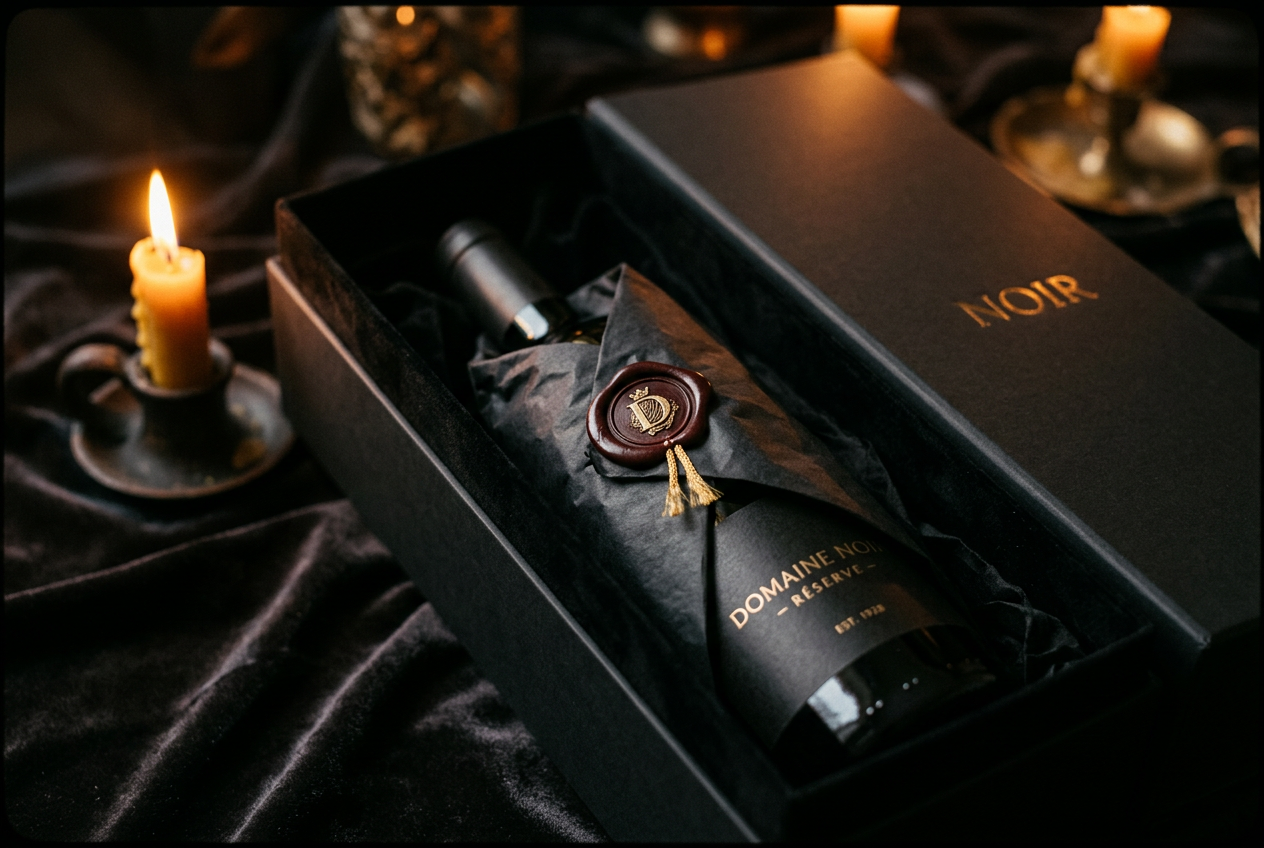
A regional sales manager at a mid-sized spirits company recently told me about their holiday gifting disaster: 200 branded Yeti tumblers sent to key accounts at Total Wine, Southern Glazer’s, and their top independent retailers. Cost per unit was solid, logistics went smoothly, and the tumblers were objectively nice. The problem? Six months later, not a single recipient remembered receiving them. The brand had spent $15,000 to be instantly forgettable.
This happens constantly in wine and spirits. Brands default to safe, logo-heavy items because procurement is straightforward and nobody gets fired for sending drinkware. But key account gifting isn’t about checking a box—it’s about creating memorable moments that strengthen relationships with the buyers, distributors, and retail partners who actually move your business forward.
The Fundamental Mistake: Treating Gifting Like Swag
There’s a critical distinction between merchandise you hand out at a trade show and gifts you send to the 50 people who control 40% of your placements. Trade show items need to be cost-effective at volume and communicate brand identity quickly to strangers. Key account gifts need to do something entirely different: they need to signal that you understand the recipient as an individual, not just a line item in your CRM.
The beverage buyer at a major regional chain receives dozens of branded items every quarter. Corkscrews with distillery logos. Glassware from every Cognac house. Cooler bags from summer portfolio pushes. These items blur together precisely because they’re designed for scale rather than impact. When you send the same gift to your top 200 accounts that you’d hand to anyone who walks by your booth at WSWA, you’ve communicated exactly where that buyer ranks in your priorities.
What Actually Creates Reciprocity
The psychology of effective gifting in B2B relationships comes down to demonstrated thoughtfulness. This doesn’t necessarily mean spending more—it means spending differently. A $75 gift that clearly required consideration outperforms a $150 gift that obviously came from a bulk catalog order.
For wine and spirits specifically, this means leaning into your category’s inherent advantages. You’re not selling industrial equipment; you’re in the business of pleasure, craft, and connoisseurship. Gifts that extend this positioning tend to resonate: artisan food items that pair with your portfolio, handcrafted serving pieces from the region where your wine is made, curated experiences that connect to your brand story.
One Napa producer I’ve worked with sends their top accounts a custom-bound collection of recipes from the winery chef, paired with specific wine recommendations and a handwritten note from the winemaker. Production cost is under $40 per unit. Yet buyers consistently mention it years later because it’s useful, it’s personal, and it clearly wasn’t available from any promotional products catalog.
Timing and Context Matter More Than Budget
The holiday window is when every brand sends gifts, which means yours is competing with dozens of others for attention during a three-week period when your recipients are overwhelmed and distracted. Strategic brands find different moments: the anniversary of a major placement, the buyer’s first year in their role, the conclusion of a successful program, or simply an unexpected Tuesday in February.
Context also shapes effectiveness. A gift that arrives with a handwritten note referencing a specific conversation or shared experience carries weight that generic “thanks for your partnership” messaging cannot. This requires actual coordination between sales teams and whoever executes your gifting program—a breakdown point for many organizations where marketing handles procurement without meaningful input from the people who actually know the accounts.
The Practical Framework
Effective key account gifting in wine and spirits tends to follow a pattern: segment your accounts by relationship depth and strategic importance, then match your investment and personalization accordingly. Your top 25 accounts might warrant individually selected items with personal notes. Your next tier might receive curated gifts that feel considered but can be produced at modest scale. Beyond that, you’re probably in branded merchandise territory—and that’s fine, as long as you’re not pretending it’s something more.
The brands that do this well treat gifting as a relationship strategy with its own calendar, budget line, and success metrics—not an afterthought that gets scrambled together in Q4. They also recognize when executing this properly requires capabilities they don’t have internally: sourcing unique items, managing personalization at scale, and ensuring quality control across dozens or hundreds of individual shipments.