The Anatomy of a Great Wine Launch Kit
A strategic wine launch kit does more than introduce your bottle. It equips distributors to sell and gives buyers a reason to say yes.
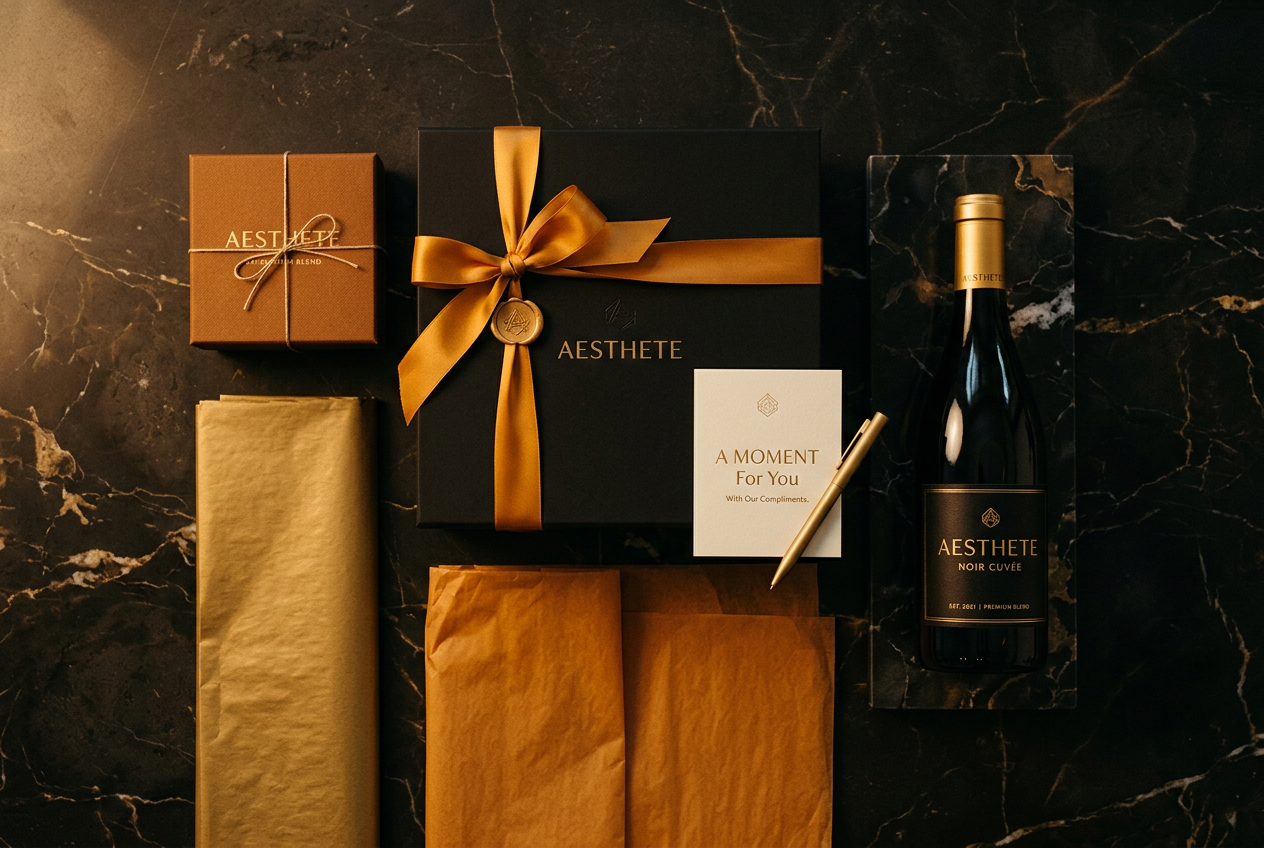
The sample box arrives at the distributor’s office. A sales rep opens it between meetings, pulls out the bottle, glances at the sell sheet, and moves on to the next thing demanding their attention. Three weeks later, the wine still hasn’t been presented to a single account. This isn’t a failure of the wine itself—it’s a failure of the launch kit to do its job.
A great wine launch kit isn’t a gift. It’s a selling system in a box. When designed with intention, it transforms a passive introduction into an active sales tool that gives your distributor partners confidence and gives retail buyers the information they need to make a decision. The difference between a kit that sits on a shelf and one that drives placements comes down to understanding what each recipient actually needs to do their job.
Start With the Sales Rep’s Reality
Most wine launch kits are designed from the brand’s perspective—what the winemaker wants to communicate, what the marketing team thinks is compelling, what looks impressive in a photo. But the sales rep opening that box has seventeen other wines to present this month and roughly ninety seconds to pitch yours to a busy buyer. Your kit needs to arm them for that moment.
This means the sell sheet can’t read like a tasting note from Wine Enthusiast. It needs to answer the questions a buyer will actually ask: What’s the price point and margin? What comparable wines does it compete with? Is there marketing support behind it? What’s the distribution strategy—are you placing this everywhere or building scarcity? A rep who can’t answer these questions in the first meeting won’t get a second one.
The physical components matter too, but not in the way brands typically assume. Elaborate packaging that takes five minutes to open becomes an obstacle. A beautiful wooden box that can’t be easily transported to account visits stays in the car. The best kits balance presentation with portability—impressive enough to signal quality, practical enough to actually make it into the field.
Give Buyers a Story They Can Retell
While sales reps need ammunition, buyers need something different: a reason to believe this wine will move off their shelf. The most effective launch kits include materials that travel beyond the initial pitch—a shelf talker that captures attention without requiring a staff training session, a cocktail card (for wines positioned for by-the-glass programs), or a QR code linking to a thirty-second video the buyer can share with their team.
The storytelling itself needs to be appropriately scaled to the wine’s positioning. A $15 Provence rosé doesn’t need three paragraphs about terroir—it needs to communicate refreshment, versatility, and the occasions it fits. A $75 Napa Cabernet from a storied vineyard justifies the deeper narrative, but even then, the story should connect to why a consumer will reach for this bottle over the seven other options at that price point.
One often-overlooked element: include something that acknowledges the buyer’s expertise. A brief note about what accounts have worked well in other markets, or a specific food pairing recommendation that shows you understand their customer base, signals that this isn’t a mass blast but a considered partnership.
Design for the Full Journey, Not Just the Unboxing
The best wine launch kits anticipate what happens after the initial presentation. When the rep goes back to check on placement, do they have a follow-up tool? When the buyer says “maybe next quarter,” is there a reason to re-engage? Including a second, smaller touchpoint—a recipe card tied to a seasonal moment, a limited-edition item that arrives closer to the placement window—keeps the conversation alive without requiring the rep to manufacture reasons to follow up.
Think about the full distributor portfolio meeting where your wine will be presented alongside fifty others. What makes your kit memorable enough that the sales manager references it when assigning priorities? Sometimes it’s a clever structural element; more often, it’s simply the clarity and confidence of the materials. A kit that makes the rep feel prepared makes them more likely to lead with your wine.
The wine launch kits that actually drive placements share a common trait: they’re built around empathy for the people who have to use them. When you design for the sales rep’s limited time, the buyer’s skepticism, and the competitive reality of a crowded market, you create something that works harder than a beautiful box ever could on its own.