What Makes a Great On-Premise Activation for Wine Brands
The best on-premise wine activations don't just pour samples. They create moments that change how bartenders and guests think about your brand.
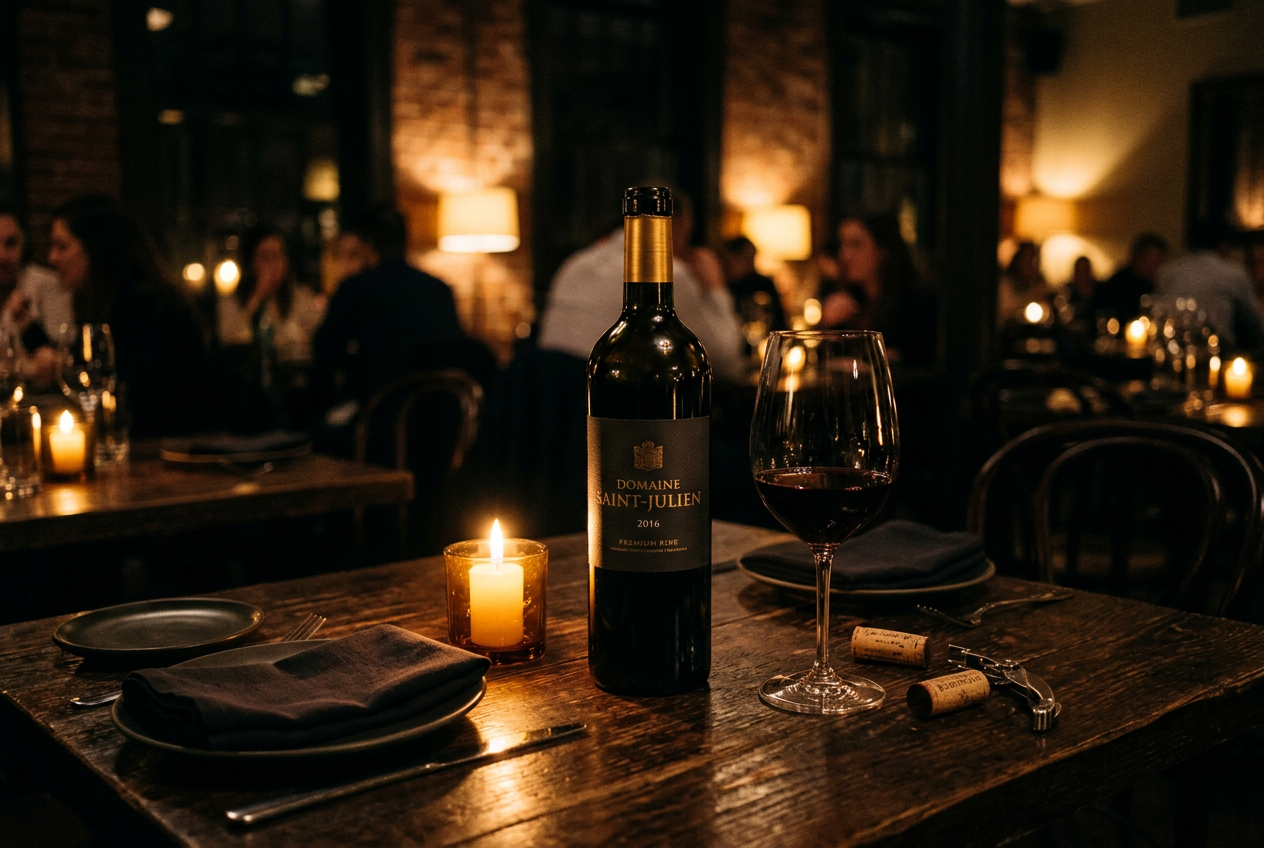
A wine brand walks into a bar. They bring a sales rep, some bottles, and maybe a branded ice bucket. They pour for an hour, shake a few hands, and leave. Three weeks later, their wine is gathering dust on the back bar while the staff reaches for the same three bottles they’ve always poured. This scenario plays out hundreds of times every week across the country, and it represents one of the most expensive ways to accomplish nothing in beverage marketing.
The difference between forgettable and effective on-premise activation isn’t budget—it’s understanding what actually drives behavior in restaurants and bars.
Staff Buy-In Is the Whole Game
Here’s an uncomfortable truth: your consumer-facing activation doesn’t matter if the bartender doesn’t care about your wine. The server who dismisses your Pinot Grigio with “it’s fine, I guess” will undo thousands of dollars in marketing spend with a single shrug. The sommelier who genuinely loves your story will handsell your bottle over better-known competitors night after night.
The most effective on-premise activations prioritize staff education and genuine engagement over consumer impressions. This means arriving before service, not during it. It means bringing your winemaker or importer—someone who can answer real questions about viticulture and winemaking. It means leaving behind a cheat sheet that actually helps staff sell, not a glossy brochure that goes straight into the recycling bin.
One regional Italian producer we’ve worked with shifted their entire on-premise strategy around this insight. Instead of traditional consumer tastings, they invested in intimate staff dinners pairing their wines with the restaurant’s own menu. Cost per contact went up. Total contacts went down. But rate of sale increased by 40% in partner accounts over the following quarter because bartenders and servers became genuine advocates.
Design for the Environment, Not Your Brand Guidelines
Too many wine activations arrive with a predetermined setup that ignores the physical and cultural reality of the venue. The branded tablecloth and acrylic display that works at a Total Wine grand tasting feels laughably out of place at a craft cocktail bar with exposed brick and Edison bulbs. The formal tasting mat designed for Napa direct-to-consumer experiences reads as pretentious in a casual neighborhood wine bar.
Effective on-premise activation requires reconnaissance. What does the space actually look like? What’s the lighting? How do guests flow through the room? What’s the vibe the venue has worked hard to cultivate? Your activation should enhance that atmosphere, not clash with it.
This often means developing flexible activation kits with multiple components that can be deployed differently depending on the account. A high-end steakhouse might warrant leather-wrapped menus and etched glassware. A natural wine bar might call for hand-stamped kraft paper and an intentionally lo-fi aesthetic. The through-line should be your brand’s quality and story, not rigid visual consistency.
Give the Account Something They Actually Want
The most successful on-premise activations create value for the venue, not just for your brand. This sounds obvious, but watch how most wine brands approach activations: they ask for premium placement, staff time, and customer access while offering little beyond free product.
Consider what the restaurant or bar actually needs. Maybe it’s help driving traffic on a slow Tuesday. Maybe it’s social content they can use for their own marketing. Maybe it’s a unique experience that differentiates them from competitors. Maybe it’s as simple as making their staff feel appreciated and educated.
A sparkling wine brand we partnered with built their entire on-premise strategy around champagne education dinners that restaurants could promote as ticketed events. The venue made money, built their email list, and positioned themselves as a destination for wine education. The brand got two hours of undivided attention with high-value consumers and deep relationships with influential accounts. Everyone won, and the partnerships became ongoing rather than transactional.
Measure What Matters, Not What’s Easy
Counting pours and collecting email addresses feels like accountability, but those numbers rarely connect to what you actually care about: sustained rate of sale, prominent menu placement, staff recommendation, and long-term account relationships. Before designing your activation, define what success actually looks like in terms that matter to your distributor and your P&L. Then build the experience around achieving those outcomes.
The brands that win in on-premise aren’t necessarily the ones with the biggest activation budgets. They’re the ones who understand that a great on-premise activation isn’t really an event at all—it’s the beginning of a relationship with the people who will sell your wine every night long after you’ve packed up and left.