How to Build a VIP Experience at a Wine Festival
A well-designed wine festival VIP experience separates memorable brand moments from forgettable pours in a crowded tent.
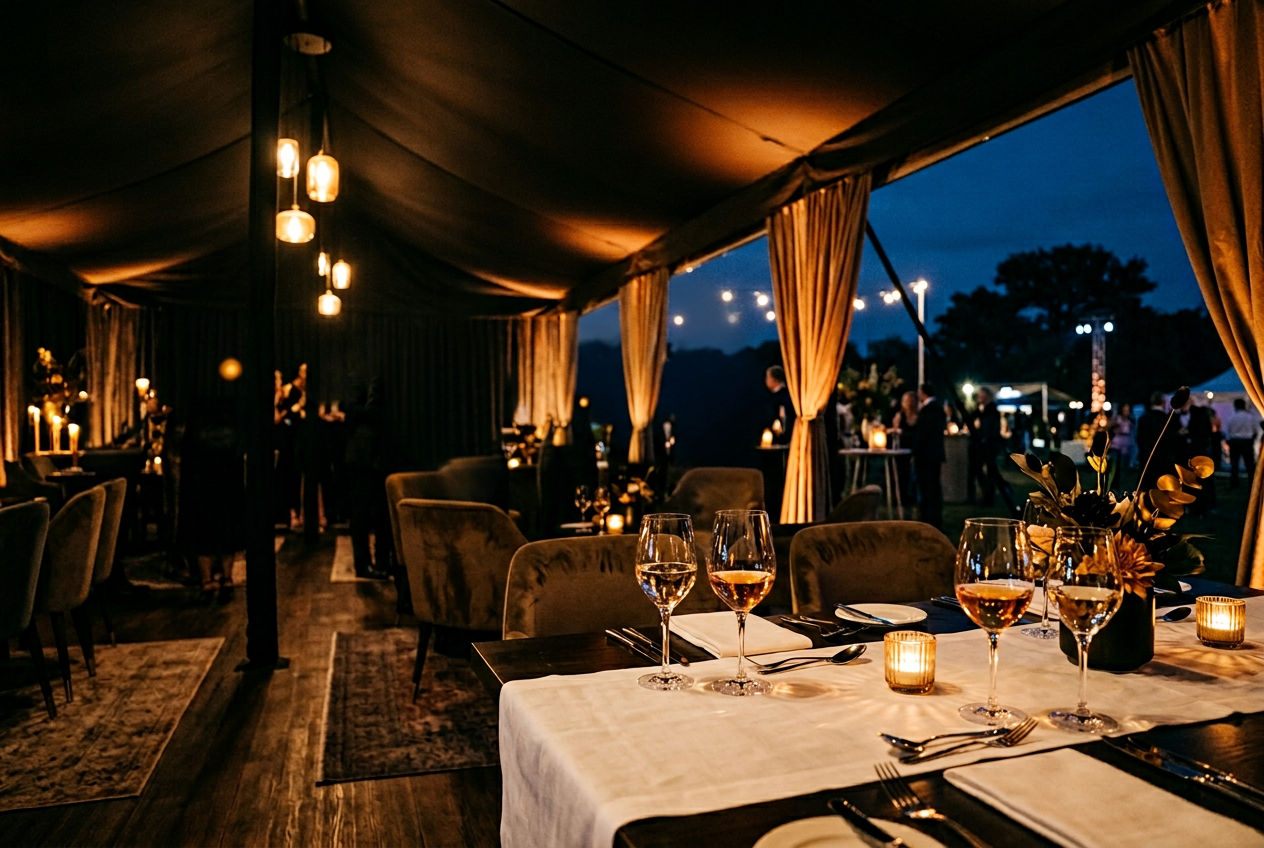
The difference between a VIP experience that drives real brand loyalty and one that simply offers nicer glassware is usually about thirty seconds of planning. We’ve watched brands spend $40,000 on a festival activation only to serve the same wines, the same way, to VIP guests who paid three times the general admission price. The result is a missed opportunity that actually damages perception—these are your highest-value prospects, and you’ve just shown them that “VIP” is a marketing term rather than a genuine elevation.
Start With What VIP Actually Means for Your Brand
Before designing any activation, answer a deceptively simple question: what does exclusive access to your brand look like? For an estate winery with allocated wines, VIP might mean tasting library vintages or barrel samples that genuinely aren’t available elsewhere. For a négociant brand or larger producer, exclusivity might come through access to people—the winemaker, estate director, or a Master Sommelier who can contextualize your wines against competitors.
The worst VIP experiences try to manufacture scarcity that doesn’t exist. If your rosé is available at every Costco in California, offering it in a roped-off area with slightly better furniture fools no one. Instead, lean into what you can authentically provide: a vertical tasting that tells a story, a food pairing that demonstrates versatility, or a blending exercise that reveals your winemaking philosophy. The goal is to give VIP guests something they’ll reference in conversation six months later.
Design the Physical Space for Intimacy, Not Impressiveness
Festival VIP areas often fail because they’re designed to look impressive from the outside rather than feel intimate from within. A soaring structure with your logo might photograph well, but it creates the same energy as the general admission floor—just with fewer people. What high-value guests actually want is the sense that they’ve been invited somewhere, not corralled somewhere nicer.
Consider sight lines and sound first. VIP guests should be able to have actual conversations without shouting over a neighboring booth’s playlist. They should feel some separation from the festival chaos, whether through strategic positioning, greenery, fabric walls, or simply choosing a corner location. The best VIP footprints we’ve seen at events like Pebble Beach Food & Wine or BottleRock create a genuine sense of arrival—a moment where guests register that something different is happening here.
Furniture matters more than fixtures. Skip the standing cocktail tables that keep energy high but interactions shallow. Instead, create seating clusters that encourage guests to settle in for fifteen minutes rather than grab a pour and move on. This extended dwell time is where conversion happens—where a casual wine drinker becomes someone who seeks out your wines at Total Wine or asks their local shop to stock them.
Train Your Team to Deliver, Not Just Pour
The single biggest variable in VIP experience quality is staffing, and it’s consistently underinvested. Brands will spend thousands on build-out and product, then staff the activation with the same promotional team working general admission, just in different shirts. VIP guests notice immediately.
Your VIP pourers need to know more than tasting notes. They should understand who’s likely in the room—the profile of someone who pays $350 for VIP access to a major wine festival—and adjust their approach accordingly. These guests don’t need the elevator pitch. They want to talk about vineyard sourcing, vintage variation, or what you’re doing differently from the winery next door. They want to feel like insiders, which means your team needs to treat them as peers rather than prospects.
Brief your team on two or three stories that reveal something genuine about your brand: a specific decision in the cellar, an unusual choice in the vineyard, a piece of history that doesn’t appear on your website. Give them permission to have real conversations rather than recite talking points. The hospitality should feel like dinner party hosting, not trade show selling.
Build a Bridge to What Comes Next
A VIP activation shouldn’t be a terminal experience. The guests you’ve just spent significant resources to engage are your warmest leads—capture that warmth intentionally. This doesn’t mean aggressive email collection at the pour station; it means creating a natural reason for guests to stay connected.
Offer to send them when the wine they loved becomes available. Invite them to a harvest event or winemaker dinner. Give them a card with a direct contact rather than a general info email. The specificity signals that their VIP experience was the beginning of a relationship rather than a transaction.
The brands that treat festival VIP as a one-time performance will always wonder why the investment doesn’t pay off. The brands that treat it as an opening conversation build the kind of loyalty that shows up in allocation requests and restaurant placements for years to come.