What's in a Wine Sell-In Kit (and Why It Matters)
A well-built wine sell-in kit does more than present your brand. It arms buyers with reasons to say yes and gives sales reps confidence in the pitch.
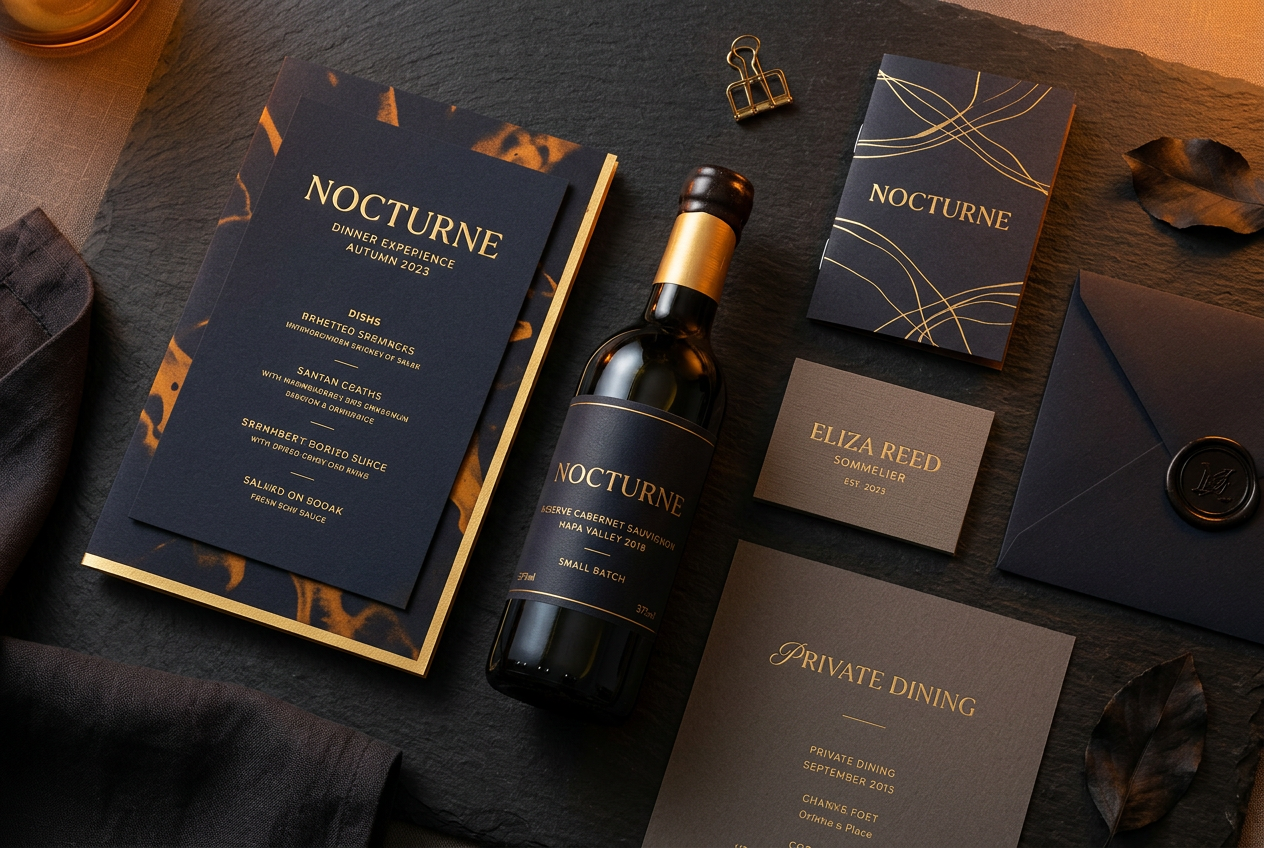
The buyer across the table has seen four suppliers already this morning. She’s got fifteen minutes before her next meeting, a stack of samples to evaluate, and a mandate to hit margin targets while keeping her shelves interesting enough to compete with the Total Wine down the road. Your sales rep has exactly one chance to make your brand memorable, and everything they put on that table either helps or hurts that moment.
This is the context most wine sell-in kits get built without considering. Too often, these materials are assembled as afterthoughts: a few tech sheets printed in-house, some branded swag leftover from a consumer activation, maybe a one-pager that reads like it was written for a tasting room visitor rather than a retail buyer evaluating their fourth Napa Cabernet of the day. The result is forgettable at best, actively unhelpful at worst.
The Anatomy of a Kit That Actually Works
A wine sell-in kit should answer three questions before the rep even opens their mouth: What is this? Why should I care? How do I sell it? Every component earns its place by addressing at least one of these.
The foundation is a sell sheet that speaks buyer language. This isn’t a tech sheet with flavor descriptors for consumers. It’s a document that leads with margin story, velocity data from comparable accounts, and positioning rationale. If you’re selling a $22 retail Willamette Valley Pinot, the buyer wants to know how it fits between their $18 workhorse and their $28 splurge option. They want proof it moves. Case stacking incentives and vintage transition timing matter here. Romance copy doesn’t.
Beyond the sell sheet, the physical presentation matters more than most brand teams realize. A branded presentation folder or portfolio signals that the supplier is organized and invested. It gives the rep somewhere to consolidate pricing sheets, program details, and samples in a way that doesn’t look like they’re fishing through a tote bag. For import brands building distribution, a quality presentation kit can be the difference between being perceived as a serious portfolio play or a one-off curiosity.
What Separates Good Kits from Forgettable Ones
The details reveal the strategy. A good kit includes shelf talkers and case cards that the buyer can immediately picture in their store, not generic brand messaging, but benefit-driven copy that actually helps their floor staff hand-sell. It might include a QR code linking to a 90-second video the buyer can share with their team, or a simple tasting guide that helps staff understand why this wine matters at this price point.
The best kits also anticipate objections. If you’re launching a new SKU from an unfamiliar region, include a one-page primer that gives buyers confidence they can explain it to their customers. If your brand has won awards, don’t just slap scores on everything. Contextualize which accolades actually matter to the channel you’re selling into. A 92 from Wine Enthusiast means something different at a fine wine shop than it does at a grocery chain.
Physical quality matters too. A kit assembled in flimsy materials or printed on cheap card stock undercuts premium positioning before the conversation starts. This doesn’t mean everything needs to be letterpress and custom boxes. It means materials should match the brand’s tier. A $15 everyday wine doesn’t need a magnetic closure box, but it does need clean, professional materials that don’t feel like an afterthought.
Building for the Full Sales Team, Not Just the Pitch
The most effective sell-in kits recognize they’re not just pitch tools. They’re training materials for a distributed sales force. Regional reps need to tell a consistent story whether they’re in Minnesota or Miami. A well-designed kit becomes the single source of truth, ensuring that brand positioning doesn’t drift as it moves through layers of distributors and brokers.
This is where thoughtful design compounds. When your materials are good enough that reps actually want to use them, when the presentation folder feels substantial, when the sell sheets answer real questions, when the leave-behinds are genuinely useful, you solve the adoption problem that plagues most trade marketing collateral. The kit becomes an asset instead of dead inventory in a warehouse.
Building materials at this level requires understanding both the brand and the channel dynamics: what distributors actually need, what buyers respond to, and how to compress a brand story into formats that work in a fifteen-minute appointment. It’s a specific discipline that sits somewhere between brand marketing and sales enablement, and getting it right changes outcomes at the account level.