How to Plan a Product Launch Activation for a Wine Brand
A strategic guide to wine product launch activations that drive distributor buy-in, retail velocity, and lasting brand awareness.
The bottle is ready. The label is approved. Your sales team has targets. But somewhere between “we’re launching in Q3” and actually moving cases, too many wine brands fumble the activation. They treat launch events as afterthoughts—a hastily organized tasting at a friendly account, some branded koozies, maybe a press release that disappears into the void. Six months later, they’re wondering why the new SKU is gathering dust in distributor warehouses.
A product launch activation isn’t a party. It’s a coordinated campaign that creates demand at multiple levels simultaneously—distributor sales teams, retail buyers, on-premise accounts, and consumers—within a compressed window where attention and budget are concentrated enough to matter.
Define Success Before You Design Anything
The most common mistake in wine product launch activations is starting with tactics. Someone suggests a launch dinner, someone else wants influencer sampling, and suddenly you’re planning backwards from a Pinterest board instead of business objectives.
Before you book a venue or design a sell sheet, answer three questions: What does the distributor need to believe about this product to prioritize it? What does the retail buyer need to see to take the risk on shelf space? What does the consumer need to experience to remember the brand past the first sip?
For a new reserve tier from an established California producer, distributor buy-in might hinge on demonstrating trade-up potential from existing portfolio wines—your activation should showcase that story with comparison tastings and margin data. For a completely unknown import entering the U.S. market, retail buyers need proof of marketing support behind the product, so your launch should feel substantial enough that they believe you’ll drive consumers to look for it. Different answers lead to fundamentally different activation designs.
Build a Timeline That Respects How Wine Actually Sells
Wine moves through a chain that takes longer than brands want to admit. If you’re targeting Q4 holiday velocity, your distributor sales team needs to be pitching accounts in August and September. That means your internal launch—the moment your distributor reps encounter the product and its story—needs to happen by late July at the latest.
Work backwards from your target retail shelf date. Distributor meetings typically need to happen six to eight weeks before you want products in accounts. Trade tastings and buyer events should land four to six weeks before. Consumer-facing activations make sense only after you have actual points of distribution—nothing kills momentum faster than marketing a wine consumers can’t find.
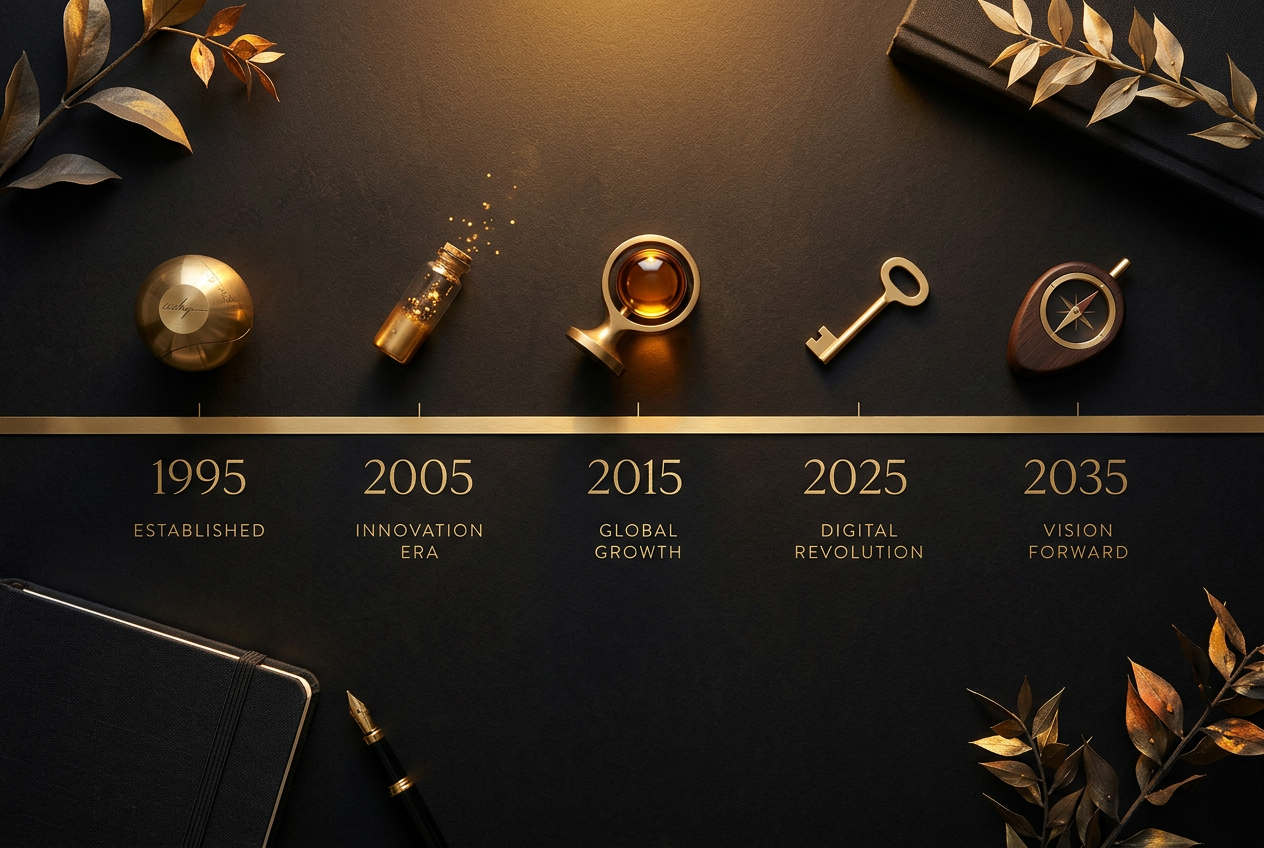
This means a serious wine product launch activation is a twelve to sixteen week campaign with distinct phases, not a single splashy event. Plan accordingly, and build your budget across those phases rather than concentrating everything in one moment that’s over before distribution catches up.
Design Experiences That Leave Artifacts Behind
The tasting ends. The event clears out. The Instagram story expires in twenty-four hours. What remains?
The best product launch activations create physical and digital artifacts that extend their impact. A beautifully designed vintage card that fits in a server’s apron pocket, with tasting notes and pairing suggestions they’ll actually reference when selling the wine. A mini bottle format that lets retail buyers sample at their own pace and share with colleagues who couldn’t attend. A sixty-second video capturing the winemaker’s explanation of what makes this release distinct—something the distributor rep can text to an account before a meeting.
Think about who touches this product after the launch event, and what tools would make their job easier. A trade marketing manager at a regional distributor told me recently that the brands who “get it” are the ones who show up with assets her team can immediately use, not just a beautiful brand book that sits in a drawer.
Coordinate Across Channels or Don’t Bother
A launch dinner that doesn’t connect to retail displays is a nice meal. Retail displays that launch before distributor reps know the product story are wasted cardboard. Influencer posts that go live when the wine is only available in three states are vanity metrics.
The power of a wine product launch activation comes from coordination—creating the impression that this product is suddenly everywhere that matters, within a concentrated window. This requires real project management: shared calendars, aligned messaging, merchandise that arrives before events rather than after, and someone whose job is specifically to make sure the PR push, the trade event, the retail programming, and the distributor communication happen in concert rather than sequence.
When the pieces connect, a product launch creates market energy that compounds. When they don’t, you’ve spent the budget on a series of isolated moments that fade individually.
For wine brands preparing a launch, the question isn’t whether you can plan an event. It’s whether you can orchestrate a campaign that gives your new product the sustained push it needs to find its audience—and stay on the shelf long enough to build repeat purchase.