How Wine Brands Win at Holiday Retail Programs
Smart wine holiday retail program planning starts in July. Here's how leading brands secure premium placement and maximize seasonal sell-through.
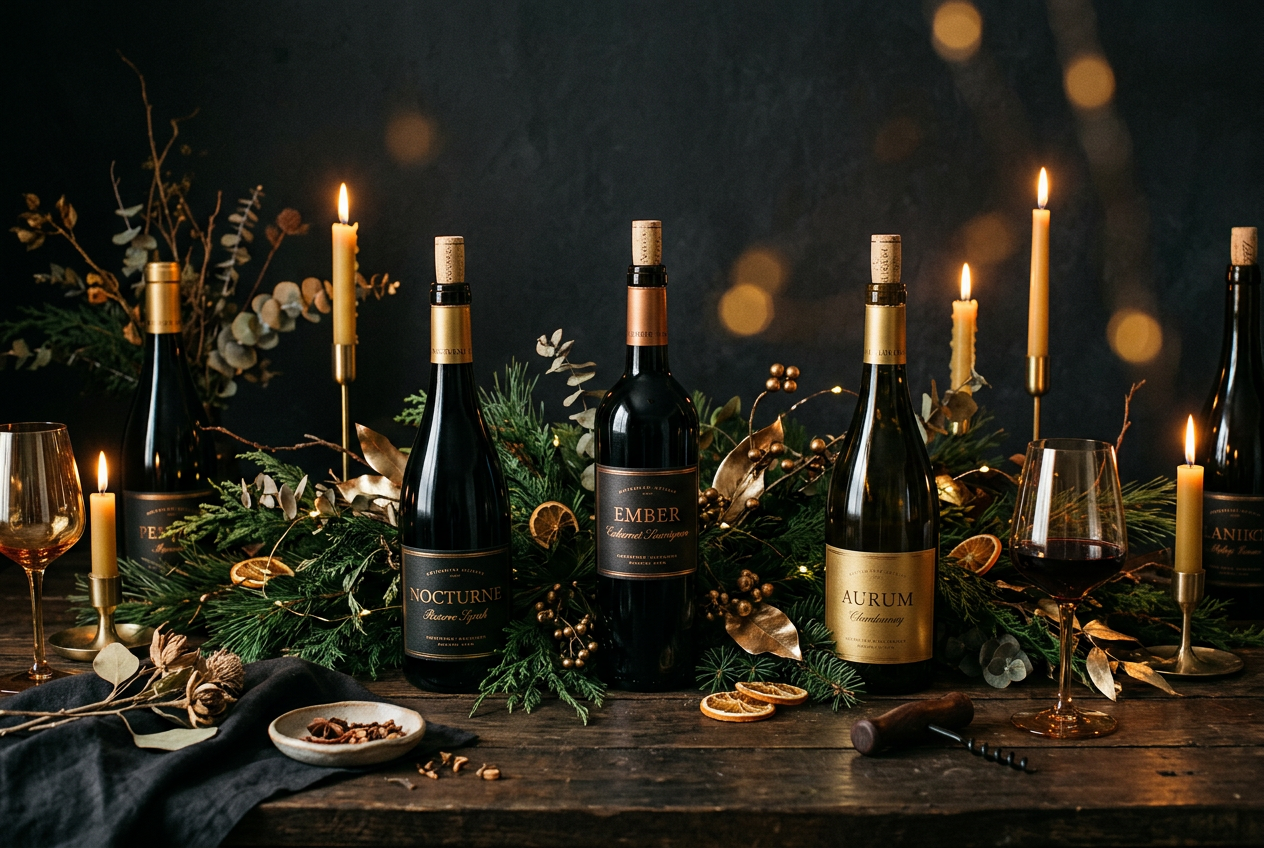
The holiday season accounts for roughly 30% of annual wine sales in the US, yet most brand managers start their retail program planning far too late to capture the full opportunity. By the time October hits, the best floor positions are claimed, custom packaging timelines are blown, and you’re left scrambling for whatever display space remains. The brands that consistently win Q4 aren’t necessarily the ones with the biggest budgets—they’re the ones who understand the retail calendar and build programs that solve problems for their retail partners.
The Timeline That Actually Works
Retailers like Total Wine, BevMo, and major grocery chains finalize their holiday floor sets and promotional calendars in late summer. If you’re walking into a buyer meeting in September hoping to secure an endcap, you’re already competing for scraps. The most effective holiday retail programs begin taking shape in May and June, with sell-in presentations happening no later than July for national accounts.
This timeline isn’t arbitrary—it’s dictated by the realities of custom packaging production, shipper display manufacturing, and retailer internal processes. A custom gift box with your holiday creative needs 8-10 weeks of production time after final artwork approval. A floor display shipper requires structural engineering, print production, and fulfillment coordination that easily consumes 12 weeks. Work backward from a November 1 in-store date, and you’ll see why winning brands are already deep in execution planning by early summer.
What Retailers Actually Want From Your Holiday Program
Too many wine brands approach holiday retail programs as a chance to push their own creative vision onto the floor. But the brands that earn the best placements understand something fundamental: retailers are solving their own problems, and your program either helps or it doesn’t.
The problems retailers need solved during Q4 are specific. They need gift-ready options that require no additional work from their staff—shrink-wrapped gift sets, pre-assembled display units, and packaging that clearly communicates “this is a present” to shoppers who aren’t wine experts. They need programs that drive basket size and margin, not just velocity on a single SKU. And increasingly, they need flexibility—the ability to reorder fast-moving sets mid-season or adjust allocations between stores based on early performance.
When you pitch a holiday program, lead with how your display solution reduces their labor costs, or how your gift set price point fills a gap in their current assortment. Show them the margin story, not just your brand story.
The Display and Packaging Details That Drive Performance
Walk through any major retailer during November and you’ll see the same mistakes repeated: elegant wine boxes stacked on bottom shelves where no one notices them, displays positioned so the brand message faces the wrong sightline, packaging so subtle that it disappears against the visual noise of competing holiday promotions.
The brands that drive real velocity understand that holiday retail is a different context than everyday selling. Your tasting room aesthetic might be beautiful, but the store environment demands bolder visual impact. Gift packaging needs to communicate value, occasion, and giftability within a three-second scan. Displays should be designed for the specific floor positions you’re targeting—an endcap has different sightline requirements than a feature stack in the spirits aisle.
Materials matter here too. Retailers are increasingly sensitive to sustainability, and programs built around recyclable or reusable packaging components often get preferential consideration. Meanwhile, the durability of your display shipper affects how your brand looks after three weeks on the floor. That premium appearance you designed deteriorates quickly if the structural engineering can’t handle constant shopper interaction and restocking.
Building the Retail Relationship, Not Just the Q4 Sale
The best holiday retail programs aren’t standalone campaigns—they’re part of a year-round conversation with your retail partners. Brands that show up only for holiday and deplete never build the kind of trust that earns first-choice floor positions or early access to new store-within-store concepts.
Consider your holiday program an opportunity to demonstrate execution reliability. Deliver on time, manage out-of-stocks proactively, and provide post-program sell-through data that helps the retailer see the full picture. These actions compound over years, and they’re often the difference between fighting for placement and being invited to participate in the retailer’s own curated programs.
Starting your planning now—wherever “now” falls on the calendar—gives you options. Waiting until it feels urgent means accepting whatever constraints remain. The holiday season is too significant to leave to chance.