Trade Show Strategy for Wine & Spirits Importers
A strong wine and spirits trade show strategy turns expensive booth days into year-round distributor relationships and retail placements.
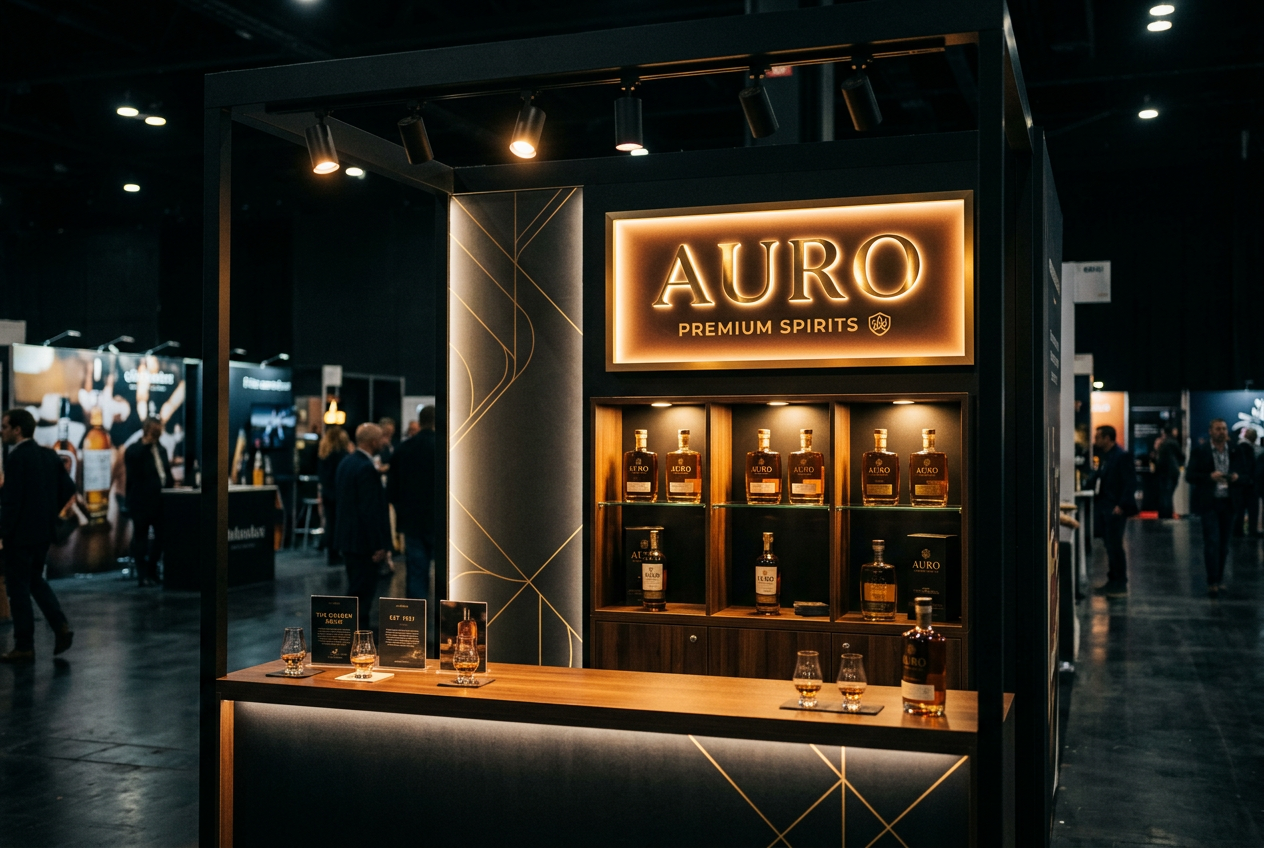
Every January, the wine and spirits industry descends on trade shows with cases of samples, stacks of sell sheets, and vague hopes that something will “come of it.” Three months later, most importers are hard-pressed to trace a single new placement back to those exhausting days on the convention floor. The problem isn’t the shows themselves—it’s that most exhibitors treat them as branding exercises when they should be treating them as sales operations with marketing support.
The Real Cost of “Just Showing Up”
A mid-sized importer exhibiting at a show like WSWA or Vinexpo America is typically looking at $15,000 to $40,000 in hard costs once you factor in booth space, shipping, travel, and samples. That’s before you calculate the opportunity cost of pulling your national sales manager and marketing lead off the road for a week of prep and execution. For that investment, “building awareness” isn’t a strategy—it’s an excuse for not having one.
The importers who extract real value from trade shows approach them with the same rigor they’d bring to a chain presentation. They identify specific accounts they want to open, specific buyers they need in front of their wines, and specific commitments they’re trying to secure before leaving the floor. The booth, the samples, the collateral—all of it exists to facilitate those conversations, not replace them.
Pre-Show Targeting That Actually Works
The exhibitor list and attendee directory aren’t just administrative documents—they’re your prospecting database. Six weeks before the show, your team should be cross-referencing registered buyers against your target account list, identifying the regional chain buyers, the key on-premise groups, and the distributor decision-makers you’ve been trying to reach through normal channels.
This is where most importers stop, maybe sending a generic “visit us at booth 1247” email that gets deleted with the other hundred just like it. The importers who fill their calendars do something different: they give buyers a reason to commit to a specific time. That might be a structured tasting of allocated wines that won’t be open-poured, a fifteen-minute briefing on a new appellation you’re bringing to market, or simply the promise of a focused conversation without the booth chaos. A buyer who has blocked thirty minutes on their calendar is worth ten who said “I’ll swing by.”
Work with your distributor partners in key markets to coordinate outreach. When a buyer hears from both the supplier and their local rep that a meeting matters, the hit rate doubles.
Booth Experience as Sales Tool, Not Brand Theater
Walk any major beverage trade show and you’ll see booths that look like they were designed by people who’ve never actually worked a show. Dramatic backlit graphics, elaborate fixtures, carefully curated aesthetic moments—and nowhere for a buyer to have a conversation without shouting over the crowd.
The most effective booths prioritize function. A semi-private tasting area where you can walk a buyer through a portfolio without interruption. Clear sightlines so your team can spot approaching targets. Collateral organized for quick access—not artfully fanned across a table where it gets shuffled into chaos by hour two. Enough counter space to actually pour without knocking over glasses.
This doesn’t mean ignoring brand presentation. It means understanding that at a trade show, your brand is communicated through the professionalism of your team, the quality of the tasting experience, and the ease of doing business with you. A clean, well-organized booth with knowledgeable pourers beats an Instagram-worthy installation staffed by people who can’t speak to pricing or distribution.
Converting Conversations to Commitments
The forty-eight hours after a show closes are when most trade show value evaporates. Buyers return to overflowing inboxes, your competitors’ follow-up emails blend together, and the momentum you built on the floor dissipates into vague intentions to “circle back.”
Prepare your follow-up sequences before the show, not after. That means templated but personalizable emails, samples staged for immediate shipment to hot prospects, and a clear internal handoff process so leads get to the right distributor rep within days, not weeks. The importer who sends pricing and a proposed meeting date the Monday after the show closes will always beat the one who “needs to regroup with the team” first.
Treat trade shows as the opening of a sales cycle, not a standalone event, and suddenly that $30,000 investment starts looking like one of the more efficient ways to get in front of buyers who don’t return cold calls.