Why Your POS Materials Are Losing Sales (and How to Fix It)
Most wine POS materials fail before a shopper even sees them. Here's what's actually going wrong at retail and how to fix it.
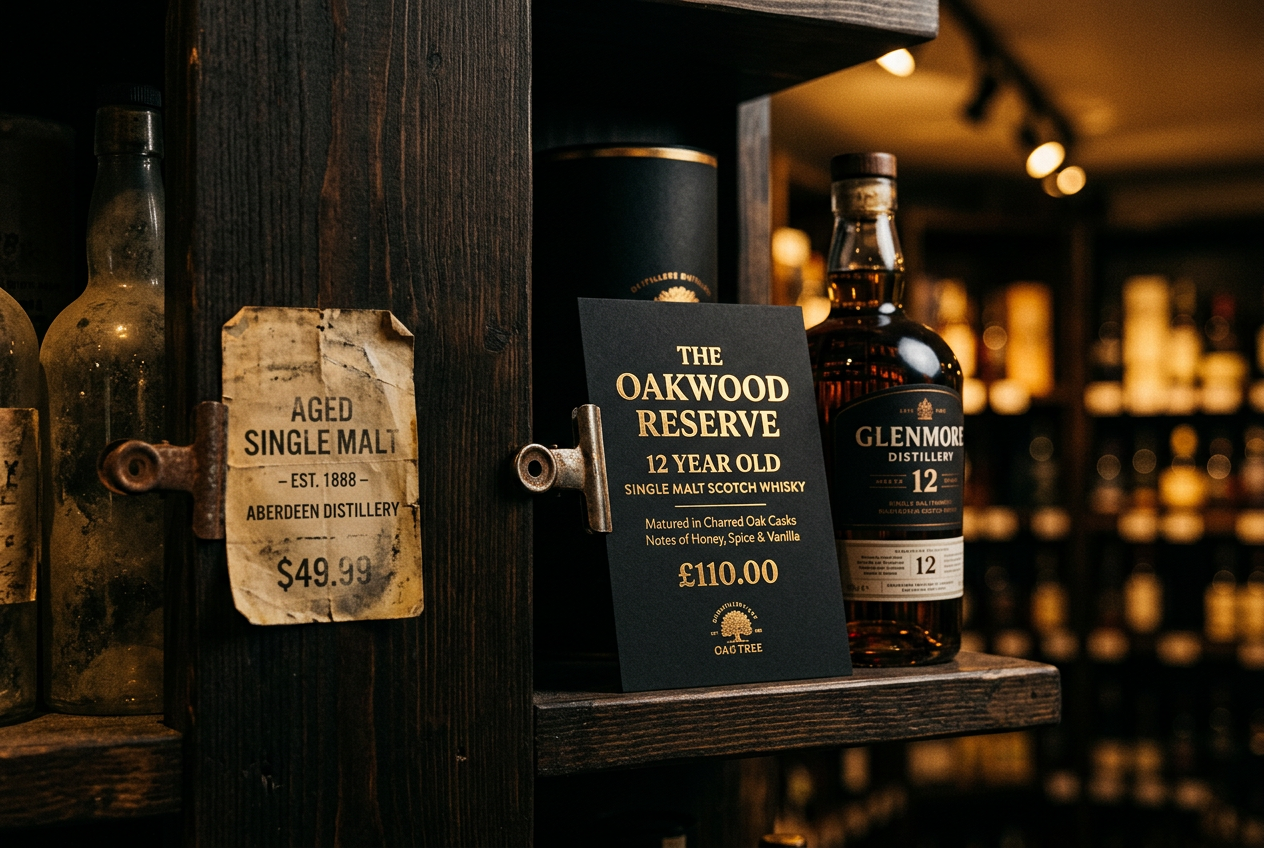
You spent six months developing that shelf talker. The creative team nailed the brand story, legal approved the claims, and your distributor confirmed placement at 200 accounts. Three months later, your field team reports that maybe 40 of those displays are still up — and the ones that survived are sun-faded, tucked behind competitor bottles, or placed so low that shoppers would need to kneel to read them. This isn’t a fluke. It’s the norm. And it’s costing you more than you realize.
The Real Problem Isn’t Creative — It’s Retail Reality
The wine aisle is one of the most hostile environments for POS materials in all of retail. Between tight shelf spacing, inconsistent lighting, overwhelmed store staff, and the sheer volume of competing signage, your beautifully designed materials face an uphill battle the moment they leave the warehouse. The average Total Wine location carries over 8,000 wine SKUs. The average independent retailer has neither the time nor the inclination to carefully position your shelf talker at eye level.
Most brand teams design POS materials in a vacuum — optimizing for brand guidelines and internal approval rather than for the chaotic, time-constrained reality of a store reset at 6 AM. That gorgeous lifestyle photography? Invisible from three feet away. That carefully worded tasting note? Nobody’s reading 50 words while deciding between your Pinot Noir and the one next to it with a simple “91 Points” callout.
What Actually Works at Shelf
Effective wine POS materials share a few characteristics that have nothing to do with how good they look in a pitch deck. First, they’re engineered for a three-second scan. Shoppers making wine decisions — especially in the $15-25 range — are not studying your materials. They’re glancing. The most effective shelf talkers communicate one thing instantly: a score, an award, a simple hook like “Winemaker’s Pick” or “Staff Favorite.” Everything else is noise.
Second, materials that stay up are materials that are easy to deploy. A shelf talker that requires a specific clip, or a case card that only fits one configuration, is a shelf talker that ends up in the back room. The best-performing POS we’ve developed for clients works with standard shelf channel strips, requires no assembly, and takes less than 10 seconds to place. That’s not a creative constraint — it’s a deployment requirement.
Third, durability matters more than most brand teams acknowledge. UV-resistant coatings, sturdier card stock, even the finish you choose can determine whether your materials last eight weeks or eight days. An independent retailer in Phoenix and one in Seattle have very different environmental conditions, but most brands ship identical materials to both.
The Distributor Deployment Gap
Here’s an uncomfortable truth: your distributor is not a merchandising company. They’re a logistics and sales company that sometimes does merchandising. When you ship 5,000 shelf talkers to your distributor’s warehouse with instructions to “place at key accounts,” you’re essentially hoping for the best. Without specific guidance, quality checks, and follow-up, a significant portion of that inventory will never make it to a shelf.
The brands that win at retail treat POS deployment like a campaign, not a shipment. That means tiered account prioritization, clear placement instructions with photos, realistic timelines aligned with distributor bandwidth, and field verification. It also means accepting that 100% placement is a fantasy and designing your quantities and expectations accordingly. Sending 200 units to “cover” 200 accounts ignores breakage, staff turnover, store resets, and the inevitable units that disappear into the void.
Designing for the Real World
The fix isn’t to abandon POS — it still works, particularly for wines in competitive sets where a clear differentiator can shift a purchase decision in your favor. The fix is to design with retail reality as your starting point, not an afterthought. That means field research before creative development, materials testing in actual store conditions, and deployment planning that accounts for how distributors actually operate.
When POS materials fail, brands tend to blame the creative or the distributor. More often, the failure happened earlier — in assumptions about how retail works that haven’t been pressure-tested against the chaos of an actual wine aisle on a Saturday afternoon.